
What is a Pope & Young Buck?
Understanding the Gold Standard of Bowhunting
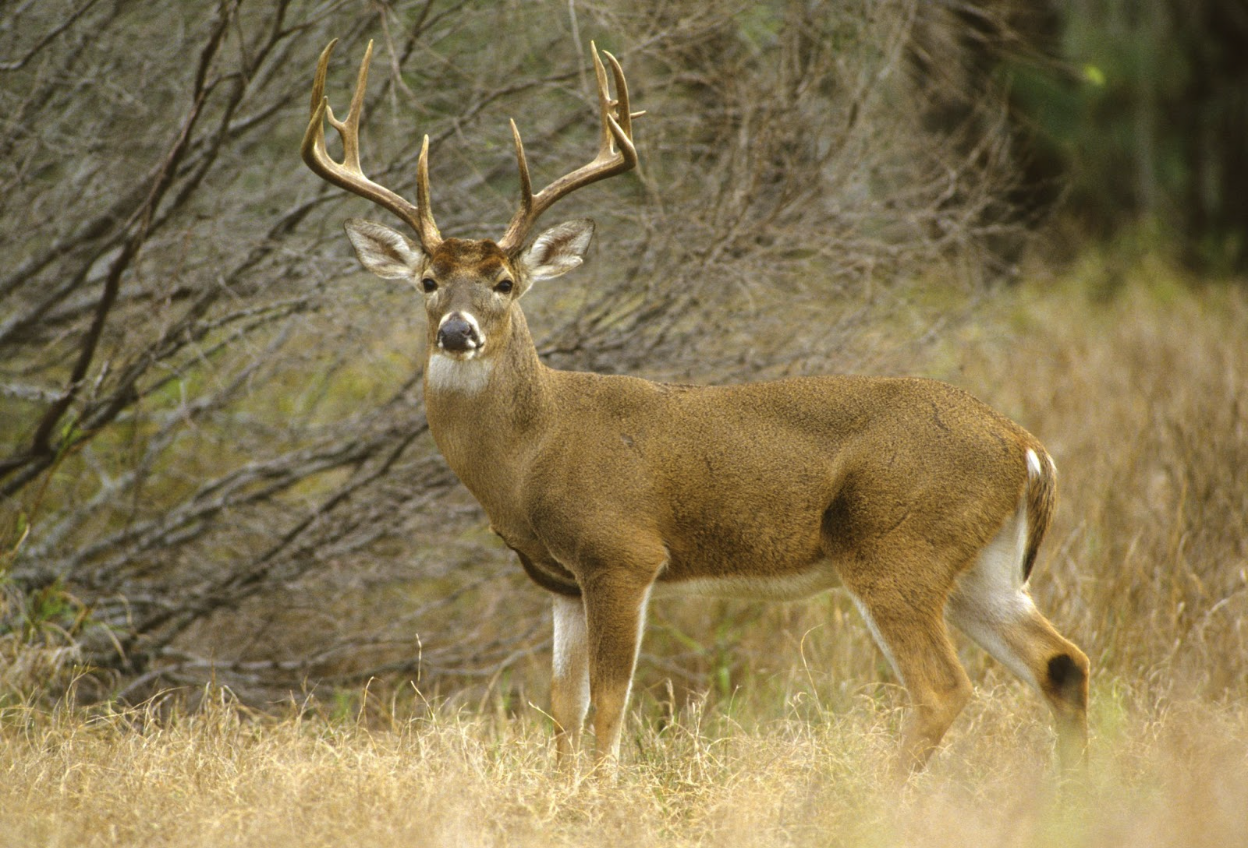
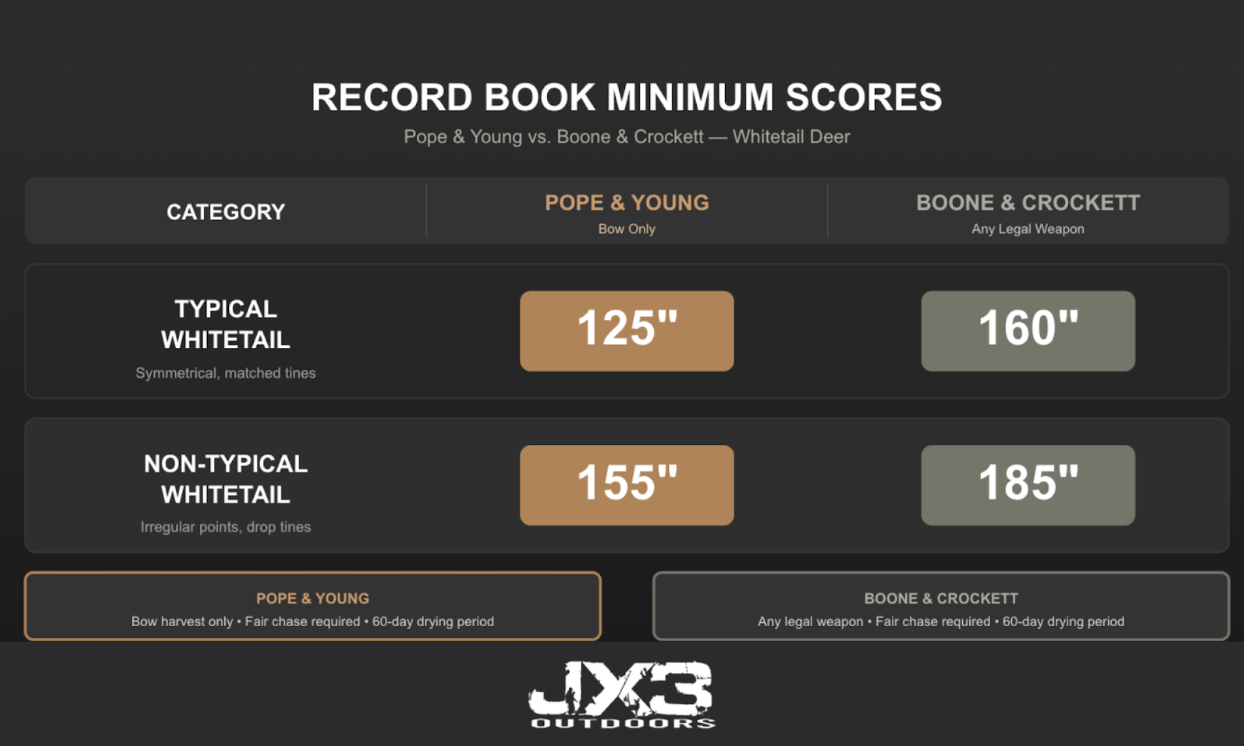
You've probably heard hunters throw around the term "Pope & Young" at camp or on social media. But what does it actually mean to harvest a Pope & Young buck? In short, Pope & Young is a record-keeping organization that recognizes exceptional big game animals taken with a bow under fair chase conditions. To make the book, a typical whitetail buck needs a minimum score of 125 inches, while non-typical bucks need at least 155 inches. But there's more to it than just antler size—and if you're serious about chasing record-book deer, understanding the scoring system and how to grow these caliber bucks on your property matters.
The Roots of Fair Chase: Where Pope & Young Came From
The Pope & Young Club was founded in 1961 by a group of bowhunters who wanted to establish ethical standards for the sport while documenting exceptional harvests. The name honors two pioneers of modern bowhunting—Dr. Saxton Pope and Arthur Young, who proved that archery was a legitimate and effective hunting method back in the early 1900s.
Ethics Over Ego
What sets Pope & Young apart from other record programs is its strict commitment to fair chase principles. You can't enter an animal that was taken over bait in states where it's illegal, shot inside a high fence, or harvested using any method that gives the hunter an unfair advantage. The club exists to celebrate bowhunting heritage and ethical hunting, not just big antlers. This isn't about ego. It's about honoring the animal and the pursuit.
Connection to Boone & Crockett
Pope & Young operates similarly to the Boone & Crockett Club, which tracks big game taken by all legal weapons. B&C set the foundation for the scoring system that Pope & Young adopted specifically for bow-harvested animals. Both organizations share the same goal: wildlife conservation through ethical hunting and detailed record keeping.
Breaking Down the Scoring System: How Antlers Get Measured
Here's where things get technical, but stick with me—it's worth understanding if you want to know whether that buck on your wall qualifies.
What Gets Measured
The scoring system measures several key components of a whitetail's rack:
- Main beam length — Measured from the burr to the tip of each antler
- Tine length — Each individual point gets measured from its base to tip
- Mass measurements — Circumference taken at four locations on each beam
- Inside spread — The widest point between the main beams
Gross Score vs. Final Score
All these measurements get added together for a gross score. But Pope & Young awards symmetry, so any differences between the left and right antlers get subtracted. If your buck has a 6-inch G2 on one side and a 4-inch G2 on the other, you lose 2 inches. Those deductions give you the final score—also called the net score—which determines whether your buck makes the record book.
Minimum Scores and the Drying Period
For typical whitetails, the minimum score is 125 inches net. Non-typical bucks, with all their extra points and character, need 155 inches. An official measurer certified by the club must score your rack, and there's a 60-day drying period required before an official measurement. Antlers shrink as they dry, so this ensures every entry is scored under the same conditions.
The score sheet might look intimidating at first, but any official measurer can walk you through it. Most states have several measurers, and the Pope & Young website lists them by location.
What Makes a Buck Reach That Minimum Score?
Not every mature buck will score 125 inches. Age, genetics, and nutrition all play a role—and you only control two of those factors on your hunting property.
The Age Factor
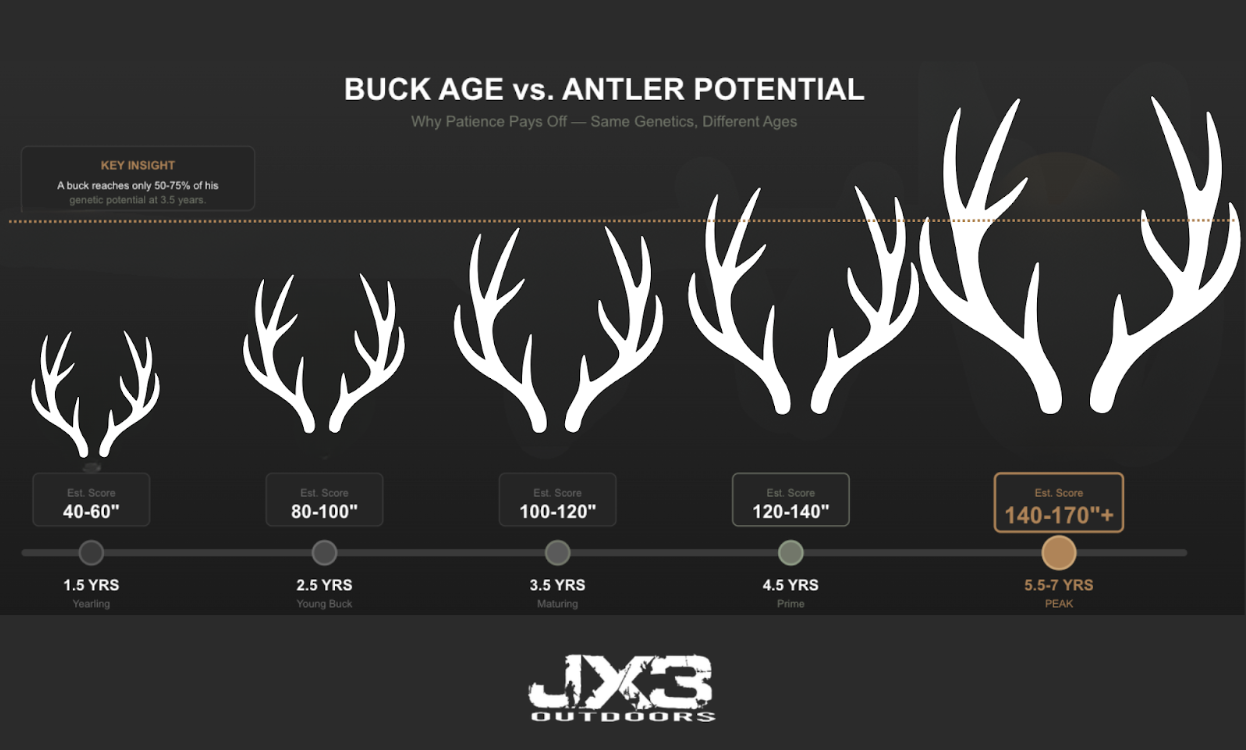
Age is the biggest one. A buck needs time to express his genetic potential. Most whitetails don't peak until they're 5 to 7 years old. That's a long time to let a deer walk, but it's reality. A 3-year-old with great genetics might score 115 inches. Give him two more years and good groceries, and he could push 150.
Genetics and Nutrition
Genetics matter, but they're harder to manage unless you're running a serious breeding program. What you can control is nutrition. This is where deer food plots enter the conversation.
A buck grows his antlers from late spring through summer. During this window, he needs protein—lots of it. We're talking 16% to 20% protein in his diet for maximum antler growth. Most native browse doesn't hit those numbers consistently. Food plots do.
Why Food Plots Matter
Strategic food plots filled with soybeans, clover, or brassicas provide the nutrition bucks need during critical growth periods. They also concentrate deer on your property, which helps with age management. If your neighbors are shooting every 2-year-old that walks by, your mature bucks have to come from somewhere. Quality food sources give them a reason to stay on your ground.
Using Food Plots to Grow Record-Book Deer
If you're managing land with Pope & Young bucks as the goal, food plots aren't optional—they're essential. But not all food plots are created equal.
Spring and Summer: Focus on Protein
Spring and summer plots should focus on protein. Soybeans, lablab, and cowpeas are workhorses during antler growing season. Clover plots that stay green through summer also contribute. The goal is keeping quality food available from when antlers start growing in April until they harden in September.
Fall Plots: Attraction and Energy
Fall plots shift the focus to attraction and energy. Brassicas, winter wheat, and cereal grains draw deer in and provide the calories they need heading into the rut and winter. These plots also create hunting opportunities. A well-placed brassica plot downwind of a stand can put you in range of deer you've been watching on camera all summer.
Placement and Strategy
Plot placement matters as much as what you plant. Think about how deer move through your property. Plots near bedding areas see more daylight activity. Plots in open fields might only get hit at night. A series of smaller plots connected by travel corridors often outperforms one big field.
Don't overlook mineral sites either. While their direct impact on antler growth is debated, they do attract deer and can help with inventory. Knowing what bucks are on your property lets you make smarter decisions about which ones to harvest and which ones to let walk another year.
Gear Up for the Chase
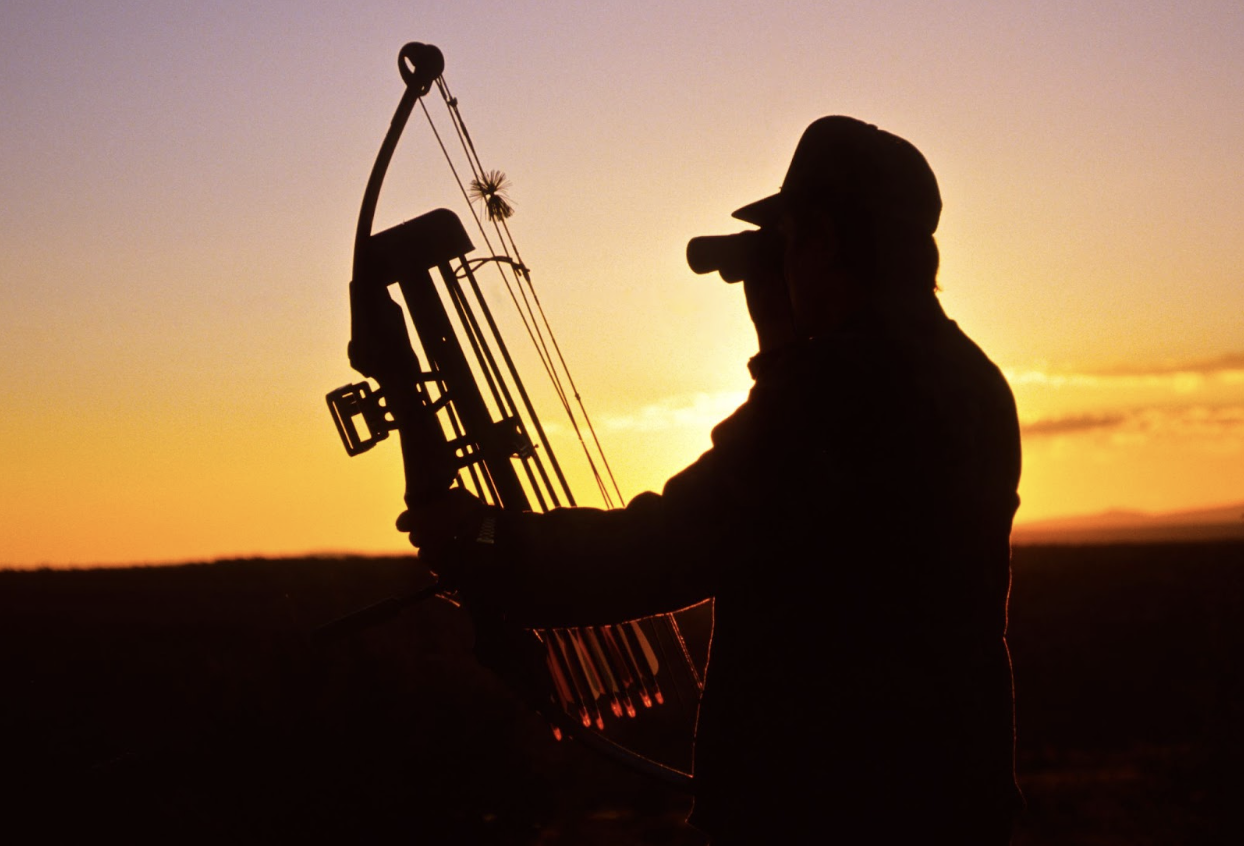
Chasing a Pope & Young buck isn't a casual pursuit. It takes patience, property management, and the right equipment. Your bow setup, clothing, and accessories all need to perform when that one opportunity finally shows up.
At JX3 Outdoors, we understand what's at stake when you're hunting mature, pressured whitetails. Our hunting apparel and gear are built for the serious hunter who puts in the work—scouting, planting, sitting cold stands, and passing young bucks. We focus on durability, functionality, and reliability because that's what matters when you're chasing something exceptional.
Whether you're building food plots this spring or hanging stands this fall, the right gear makes the grind a little easier. And when that Pope & Young buck finally steps into range, you'll be ready.