
How Weather Impacts the Rut: Do Deer Move in the Rain?
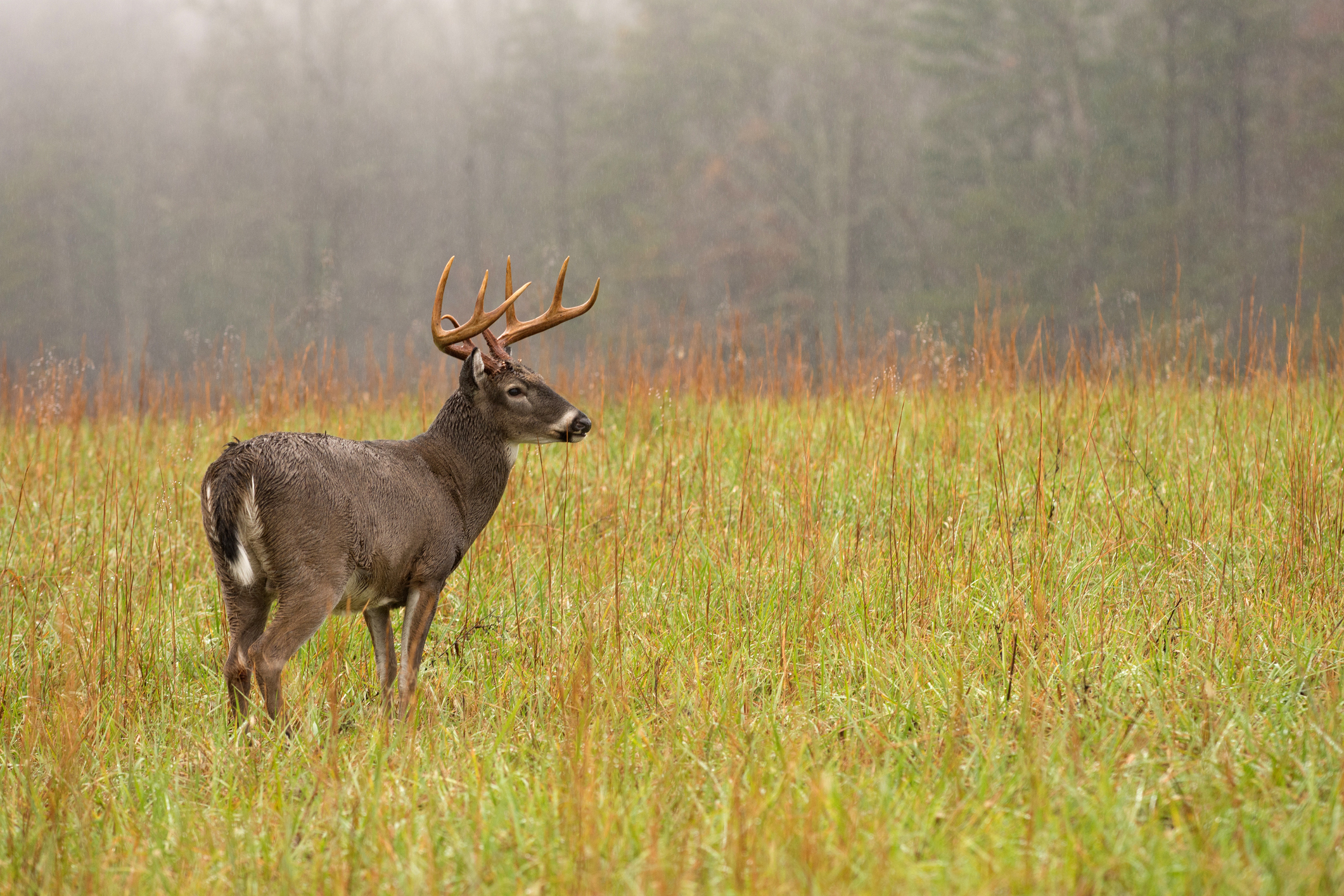
Short answer: Yes, deer do move in the rain, but their behavior can vary depending on several factors, like the intensity of the rain, wind, and the time of day.
Weather conditions, including rain, can significantly impact deer movement during the rut. While the rut may push bucks to move more frequently, it’s still influenced by factors like barometric pressure and the comfort of the deer. Understanding these weather patterns can give hunters an edge.
With the right gear, like waterproof clothing and rain gear, hunters can stay comfortable and adapt to these conditions, increasing their chances of success despite the unpredictable weather.
Understanding Deer Behavior in Different Weather Conditions
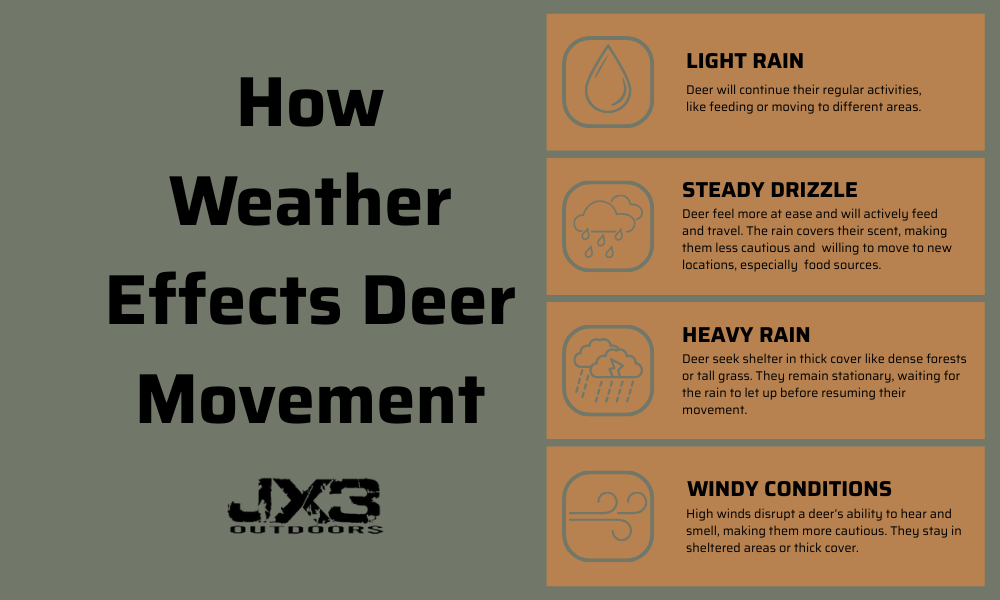
Light Rain and Steady Drizzle
Wet conditions help mask deers’ scent and sound, which makes them feel safer while moving. This can lead to increased feeding and general movement. Food sources become especially attractive during these conditions, as wet weather can limit the availability of other food options. Bucks and does are likely to continue their regular activities, including feeding and travel, during light rain.
Torrential Downpours and Heavy Rain
When the rain intensifies into a torrential downpour or heavy rain, deer tend to seek shelter in thick cover. Wet conditions make it uncomfortable for deer to stay active, so they usually hunker down in dense areas like thick woods or tall grass. During these times, deer are less likely to move unless absolutely necessary. The combination of heavy rain and low barometric pressure sends a signal to deer that the weather is unstable, which often causes them to be more cautious and less willing to roam.
Wind and Its Effect on Movement
When winds are strong, deer prefer to stay in sheltered areas that provide protection. The high winds can interfere with their ability to hear and smell, making them more cautious. As a result, they’re likely to stay in areas with thick cover to avoid exposure. Deer are less likely to move during high wind conditions, and if they do, it’s often only to seek out more sheltered spots.
Influence of Daylight Hours
Deer are more likely to move during early mornings or late evenings when the rain is lighter, and visibility is lower. The quieter, calmer conditions during these hours make it safer for deer to be active. Knowing these patterns can help hunters plan their hunts around the best times when deer are more likely to move despite the rain.
Food Sources and Shelter
Wet conditions may push deer to forage near these food sources, as they provide not only nutrition but also shelter from the elements. Deer will often seek out areas where they can find both food and protection from the rain and wind, making these spots prime hunting locations for hunters who know where to look.
How Rain and Wind Impact the Rut
The rut is a critical time for deer, especially bucks, as they move more frequently in search of mates. However, weather conditions like rain, wind, and cold fronts can heavily influence their behavior during this time. Understanding how these factors affect deer movement can give hunters a better chance of success during the rut.
Windy Conditions and Cautious Movement
Windy conditions are one of the most significant factors that influence deer movement during the rut. When wind speeds are high, deer become more cautious. Their heightened senses, particularly their sense of smell, are disrupted by the wind, making them more wary and less likely to move freely. Bucks and does will still move, but their movements will be more restricted, often sticking to areas with thick cover where they feel safer. Hunters should anticipate that deer will be more reluctant to travel in wide open areas, instead opting to move through dense brush or wooded areas that offer shelter from the wind.
Light Rain and Drizzle: Encouraging Moderate Movement
On the flip side, light rain or drizzle can actually encourage moderate deer movement. While heavier rain makes it harder for deer to stay comfortable, light rain helps mask their scent and sounds, allowing them to move with more confidence. During these conditions, deer are still likely to feed, especially near food sources like apple trees or open fields. For hunters, this can be an ideal time to catch deer in a more active state, as they may move more frequently than in dry conditions. The rain also makes tracking easier, as you can often find fresh signs of movement on the wet ground.
Torrential Downpours: Seeking Shelter in Thick Cover
Heavy rain events are uncomfortable for deer, and they’ll often seek refuge in areas with dense vegetation, such as thick woods or tall grass. The pressure drop from a rainstorm can signal that the worst is over, but until then, deer will remain in sheltered areas. During these times, hunters might find it more difficult to spot or track deer, as they stay hidden away from the elements.
The Balance Between Weather and Deer Activity
While weather conditions like rain and wind play a big role in deer behavior, it’s important to note that deer movement isn’t entirely dictated by these factors. For example, deer may become more active once a rainstorm ends, as the barometric pressure drops and the storm clears. In fact, some hunters find that the best time to hunt is during the tail end of a rainstorm, when the weather has settled and deer start to move again, taking advantage of calmer conditions.
Impact on Tracking and Spotting
For hunters, weather conditions can impact the ability to track and spot deer. High winds and heavy rain can wash away tracks, making it harder to follow a deer’s movements. Furthermore, rain and wind can reduce visibility, making it more difficult to spot deer in open fields or wooded areas. To adapt, hunters may want to focus on areas with thick cover, where deer tend to shelter during bad weather. Using trail cameras to monitor deer movement during these conditions can also help hunters predict when and where deer are most likely to move.
How to Adapt Your Hunting Strategy in Wet and Windy Weather
Hunting in wet and windy weather presents its own set of challenges, but with the right strategies, you can turn these conditions into an advantage. Deer behavior changes with the weather, so hunters need to adapt accordingly to increase their chances of success. Here are some practical tips for hunting in rainy or windy conditions:
1. Gear Up with the Right Rain Gear and Hunting Apparel
When it’s wet and windy, wearing the right rain gear is crucial to staying comfortable and focused. Waterproof jackets, pants, and boots are a must to keep you dry throughout your hunt. Look for lightweight, breathable fabrics that provide waterproof protection without trapping heat. A comfortable, insulated layer helps regulate your body temperature when the wind picks up. Don’t forget gloves and a good hat, wet hands and a soggy head can quickly make a hunt uncomfortable.
The JX3 Outdoors Hybrid Saddle is designed for comfort and functionality in all conditions. Its weather-resistant materials keep you dry, while the breathable fabric ensures you stay comfortable even in windy, wet weather. The lightweight, adjustable fit allows for easy movement, helping you stay focused and ready for the hunt, no matter the elements. Keeping your gear functional and dry ensures you can stay out longer, which increases your chances of a successful hunt.
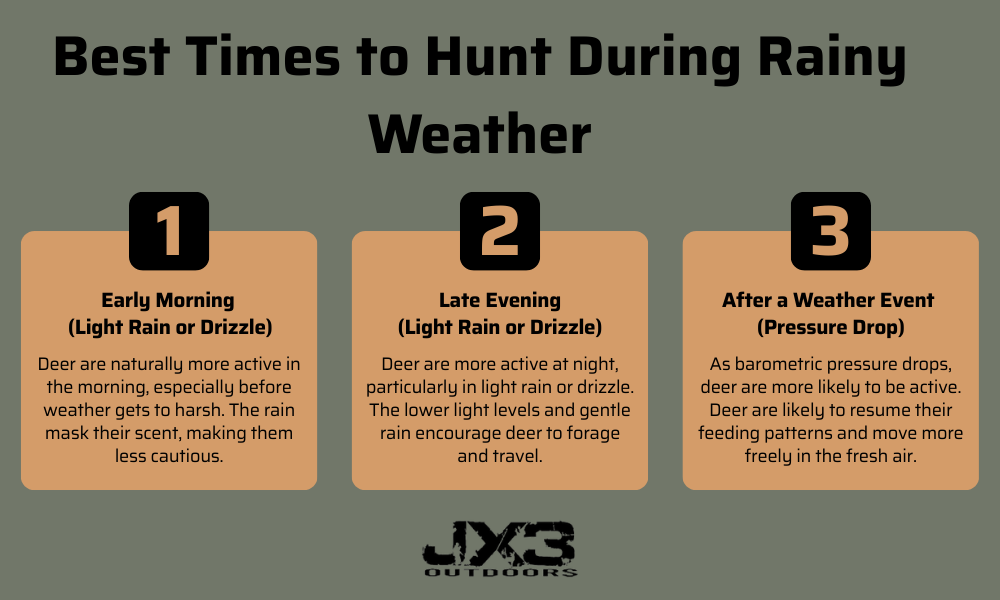
2. Best Times to Hunt on Rainy Days
Deer movement during rainy weather typically increases during certain parts of the day. Early morning and late evening are often the best times to hunt, as these are the periods when deer are most active, even in bad weather. If the rain starts to taper off, or a weather event clears, you’ll often see deer move more as the pressure drops and conditions become more comfortable. These transitional periods are ideal for hunting, as deer are likely to resume their feeding and traveling patterns once the storm passes. Patience is key during rain, deer often wait out the worst of it and become more active after the worst has passed.
3. Using Trail Cameras to Monitor Deer Movement
Trail cameras are a valuable tool for tracking deer movement in wet weather. These cameras allow you to monitor where deer are moving and at what times, helping you identify patterns, even when you can’t be out on the hunt yourself. In rainy conditions, deer may shift their travel routes or feeding areas, so using trail cameras to track these changes can give you a better understanding of how deer are adjusting to the weather. Look for areas with consistent deer movement, like near food sources or along trails sheltered from the wind and rain.
4. Focus on Thicker Cover or Food Sources
During wet or windy conditions, deer are likely to seek shelter in thicker cover. Focus your hunting efforts in areas like dense woods, tall grass, or around heavy brush, where deer can hunker down and stay protected from the elements. Food sources such as apple trees or cornfields can also attract deer, especially when the weather forces them to stay closer to sheltered areas. Identifying spots where food and cover meet is an excellent strategy in wet weather, as deer will be more likely to frequent these places to ride out the storm.
5. Tracking Blood Trails and Managing Muddy Conditions
Tracking blood trails in wet weather can be challenging, especially when the ground is muddy or slippery. A good strategy is to focus on areas with less standing water where the blood will stand out more clearly. Keep a close eye on the terrain, as muddy paths can often obscure blood, but will leave other signs like disturbed soil or broken twigs. When the ground is slippery, take extra care when moving through your hunting area. Consider using trekking poles or walking sticks to help maintain balance. Finally, in rainy conditions, you’ll need to be mindful of shooting lanes. High winds and rain can make shots more difficult, so finding a stable position with good visibility of deer movement is key.
By adjusting your hunting strategy to wet and windy weather, you can increase your chances of success, even when conditions aren’t ideal. The right gear, knowledge of deer behavior, and strategic planning can help you stay comfortable and productive while hunting in tough weather.
Know the Weather for Successful Deer Hunting
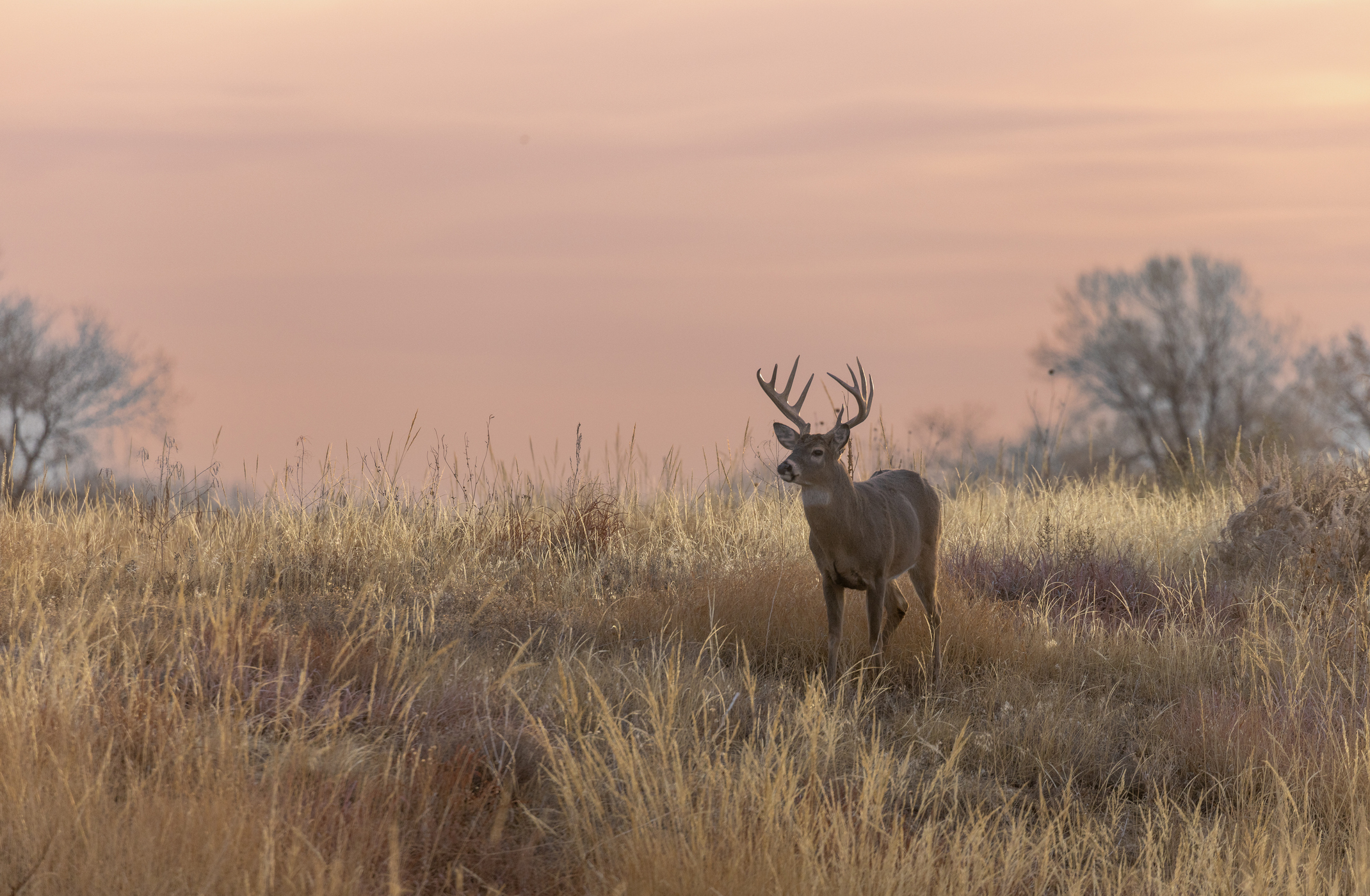
Knowing how deer behave in various weather conditions, whether it's light rain, heavy downpours, or windy days, can help you anticipate where they’ll be and when they’ll move. By reading these weather patterns, hunters can better plan their hunts, focusing on times and areas where deer are most active, even during bad weather.
However, it’s not just about knowing when and where to hunt; it’s also about being prepared for the elements. Using high-quality gear makes all the difference. Proper rain gear ensures you stay dry and comfortable, allowing you to focus on the hunt instead of fighting the weather. Whether it’s waterproof jackets, durable pants, or breathable, insulated layers, the right gear helps you stay out longer and increase your chances of spotting that big buck. The JX3 Outdoors Hybrid Saddle is a game-changer, offering comfort and stability while keeping you focused on the hunt, no matter what the weather throws your way.
At JX3 Outdoors, we’re committed to providing hunters with gear that works as hard as they do. Don’t let nasty weather keep you from getting the most out of your hunt. With the right gear, you can face any storm and stay comfortable while doing what you love. Prepare for your next hunt by investing in reliable, high-performance gear, and make every hunting season a successful one.
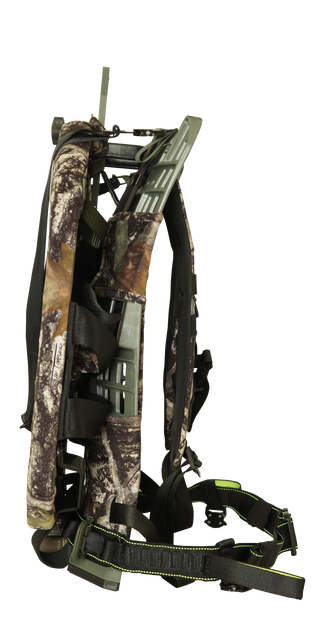
JX3 Hybrid Features
- One of a kind patented design.
- 300 lb load rating/weight rating.
- All safety components tested and meet or exceed industry standards.
- Sewn loop lineman, tether, and prusik ropes.
- Contoured EVA foam shoulder straps.
- Cobra style metal buckles.
- Molle gear loops on the waist belt, main harness, and shoulder straps.
- Built-in ground chair feature.
- Built-in pack frame harness with adjustable clamps.
- Back adjustment belt adjusts the angle of the back support.
- Adjustable standoff tree fork with 1 – 7 inches of adjustments.
- Built-in bow holder.