
The Benefits of Food Plots When Chasing Bucks
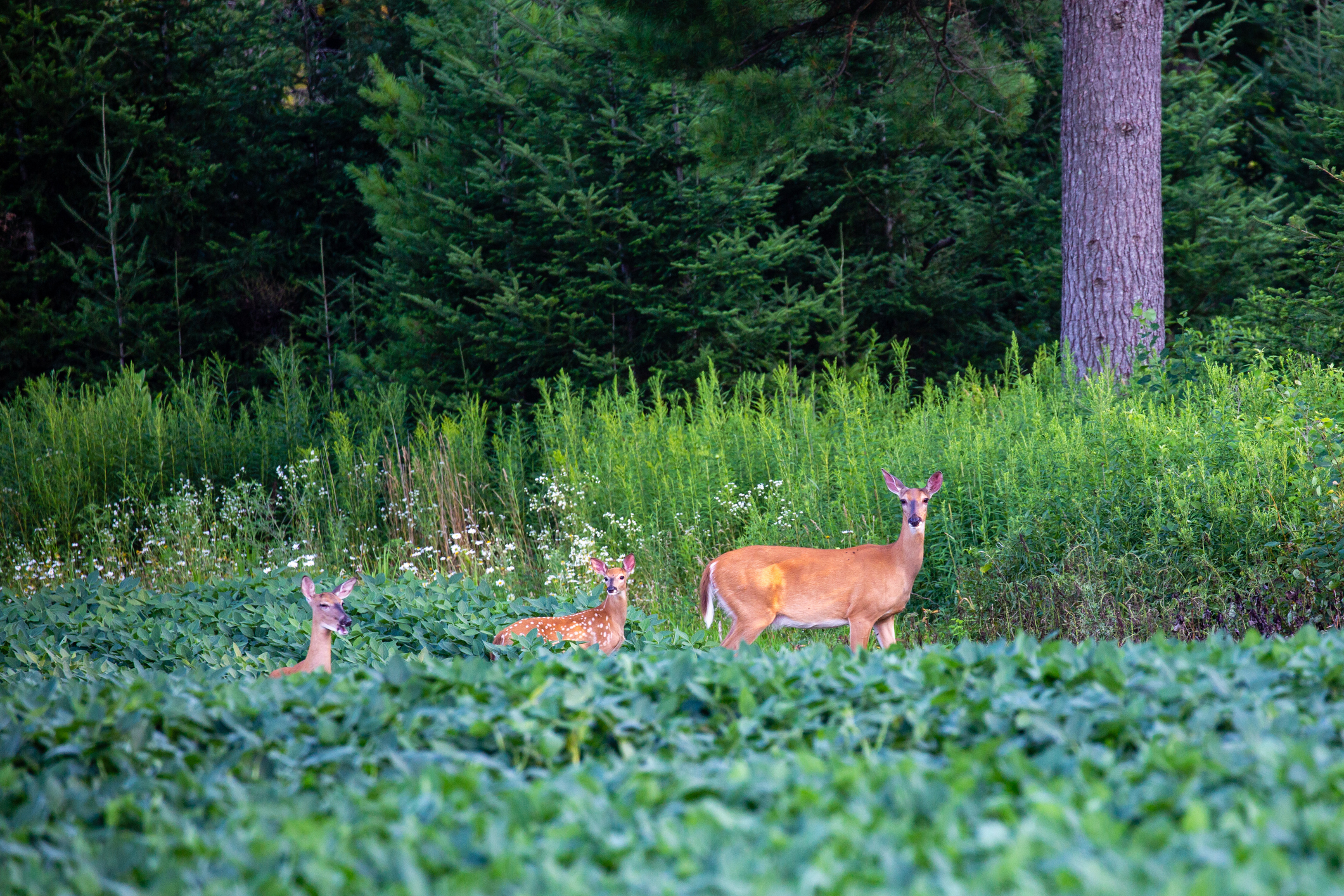
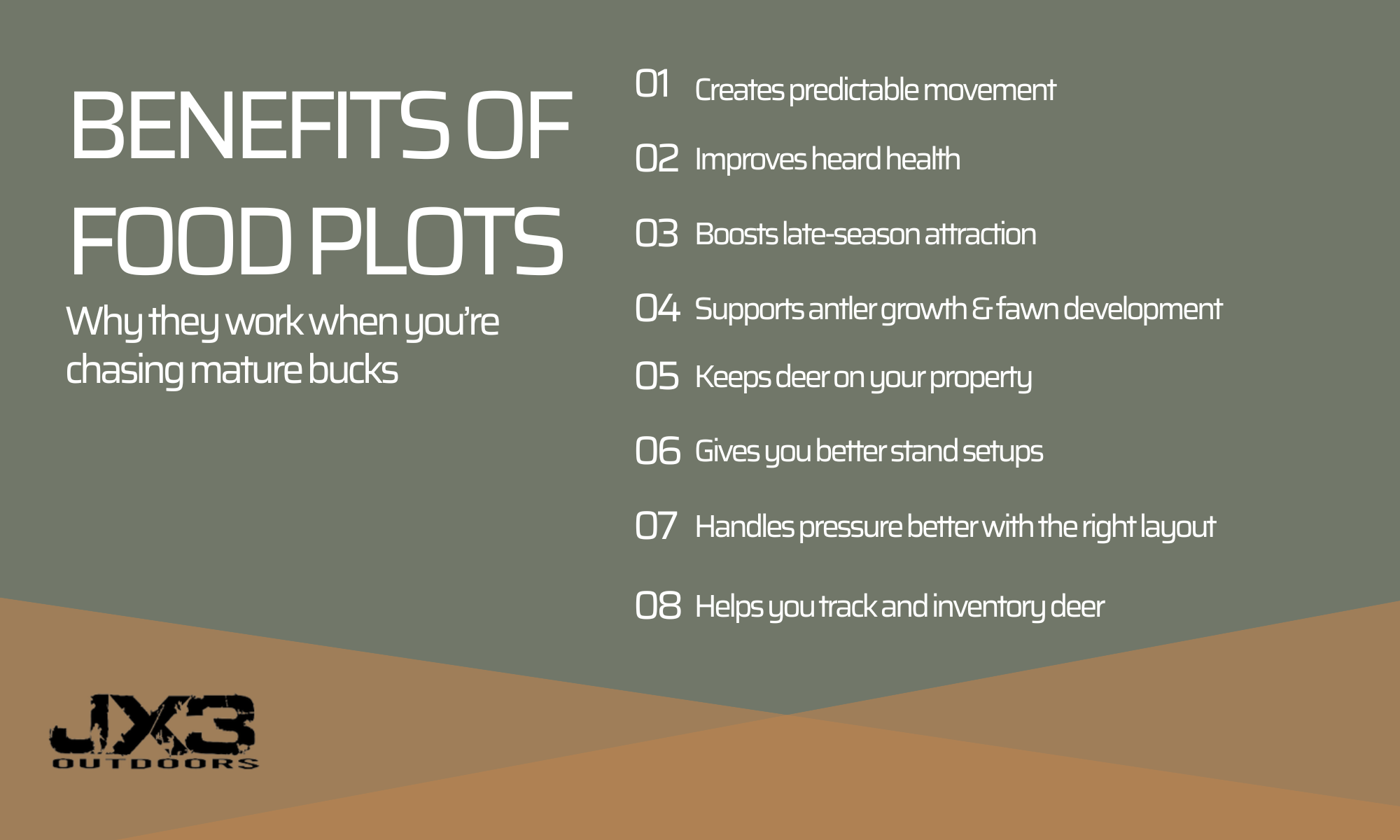
If you want to consistently put mature bucks in front of your stand, food plots are one of the best tools available. A well-planned deer food plot creates predictable feeding patterns, improves overall herd health, and positions deer where you want them during hunting season.
Food plots aren't a replacement for good hunting fundamentals, but they give you control over a variable that's usually left to chance. When you dictate where deer eat, you influence where deer move. That's a real advantage when you're after a mature buck that's learned to avoid pressure.
Nutritional Demands Through the Season
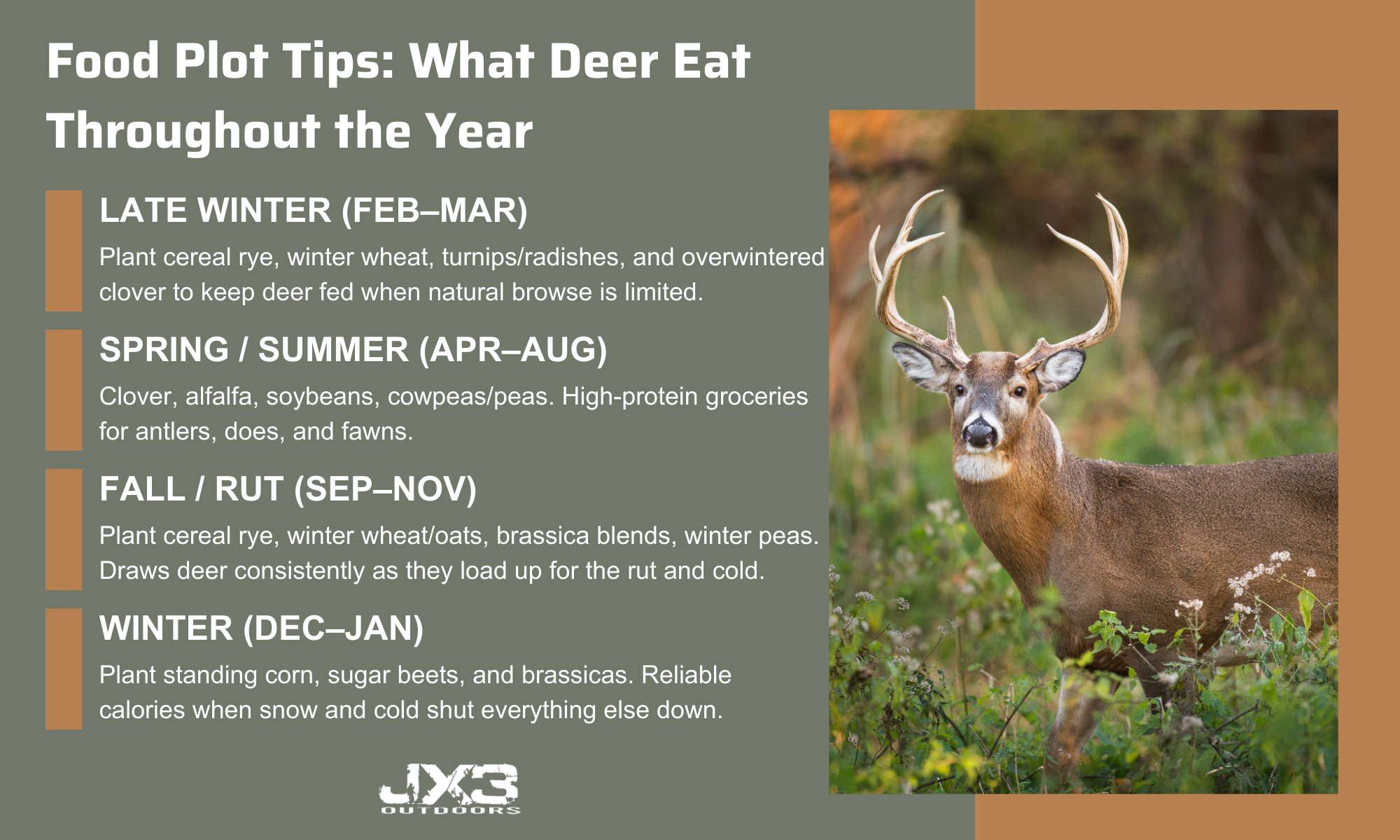
Deer's nutritional needs shift throughout the year. Understanding this cycle is key to running effective plots. In late winter, deer are in recovery mode. They've burned through fat reserves and need protein to rebuild. As spring rolls into summer months, bucks are growing antlers, and protein demand stays high through late summer. Heading into fall and the rut, deer need carbohydrates to pack on weight before winter months set in.
Native vegetation can only provide so much, especially on ground that's been hunted hard or carries a heavy deer population. Wild browse gets hammered. Food plotting fills those nutritional gaps and keeps your deer herd healthy year-round. Healthier does produce stronger fawns. Bucks have what they need to maximize antler potential. When your property consistently provides quality food sources, deer stay on your ground instead of ranging onto neighboring land. You're not just planting seeds. You're managing a herd.
Soil Testing and Seed Selection
Before you buy a single bag of seed, get a soil sample. This is where most hunters go wrong. They throw money at seed blends without knowing what their dirt can actually support. A simple soil sample tells you your soil pH and what nutrients you're working with. Most food plot species perform best in a pH range of 6.0 to 7.0. If your soil is too acidic, plants won't uptake nutrients efficiently, no matter how much fertilizer you apply. Lime is cheap. Wasted seed isn't.
Once you know what you're working with, match your seed selection to your region's weather conditions and your hunting goals. Here's a breakdown of proven options:
- Cereal rye and winter wheat – Hardy cereal grains that establish fast and handle cold. Strong late-season attraction.
- Clover – Perennial option that provides protein through spring and summer. Low maintenance once established.
- Soybeans – High protein and highly attractive, but deer will hammer them early if you don't have enough acreage to absorb pressure.
- Winter peas – Protein-packed and attractive to deer. Works well in blends.
- Sugar beets – Outstanding late fall and late winter attraction. Deer dig them up after frost sweetens the roots.
- Corn – Carbohydrate-heavy, standing food source for winter months. Requires good soil and adequate moisture.
Seed blends often outperform single-species plots because they provide varied attraction as the growing season progresses. What deer hit hard in early fall might be ignored by late season. A diverse plot keeps them coming back.
Plot Placement
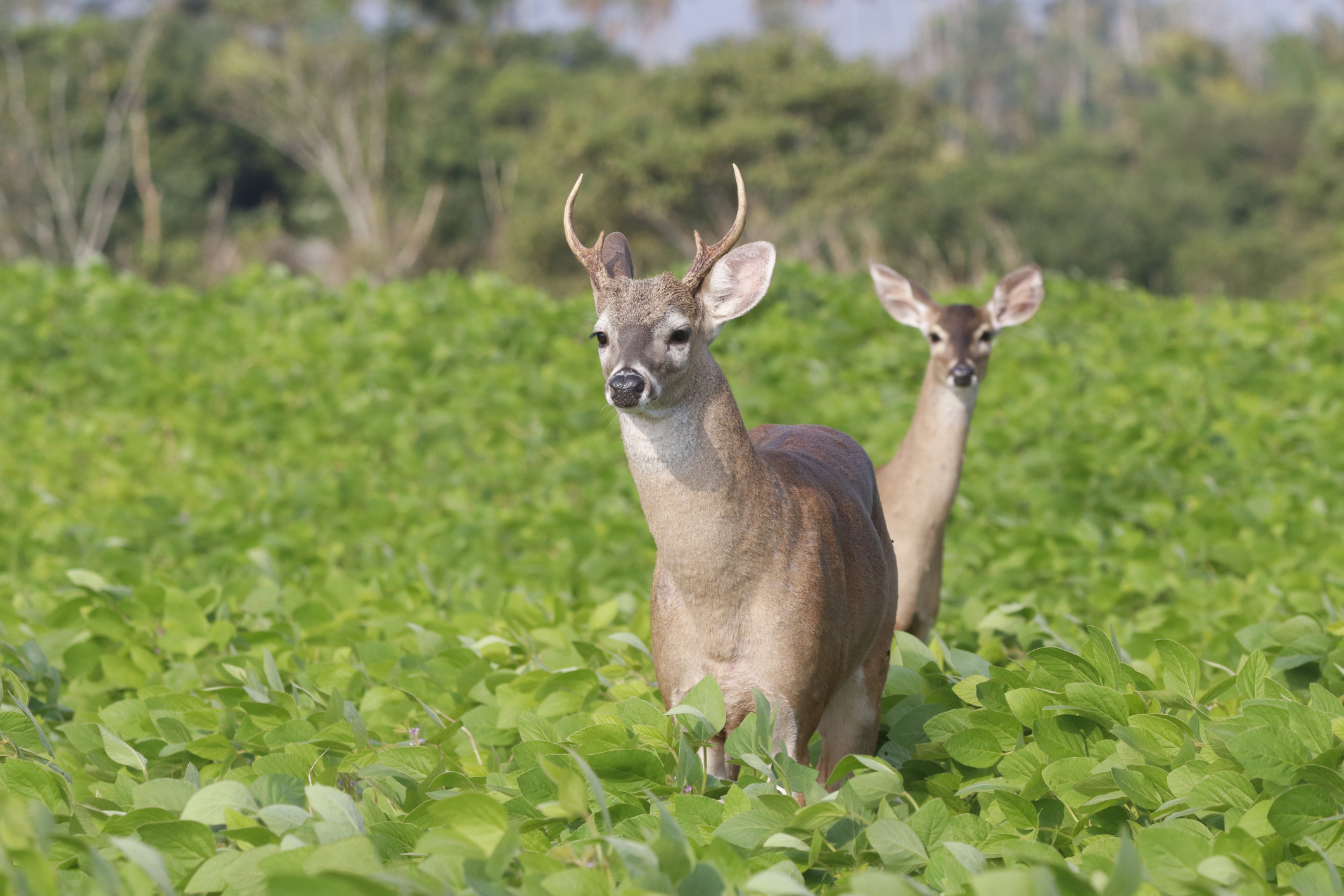
Where you put your plot matters as much as what you plant. Think about how deer use your hunting property. Where are they bedding? Where are they feeding? What routes connect those areas? Your plot should fit into existing deer movement, not work against it.
Small food plots tucked near bedding cover are effective ambush locations. Mature bucks feel comfortable feeding in tight spaces surrounded by thick cover, especially during daylight. These plots don't need to be large. A quarter acre is plenty if it's positioned correctly. Larger destination plots serve a different purpose. They draw deer from a wider area and handle more browsing pressure, but activity typically concentrates at first and last light.
If you're hunting public land, your options are limited. But you can still apply this thinking to natural food sources and pinch points. On private hunting property, you have control. Use it.
Set up an exclosure cage on your plot. It's a small fenced section that keeps deer out so you can observe plant growth without browse pressure. Compare what's inside the cage to what's outside across your entire plot. This tells you how hard deer are hitting your food source and whether adjustments are needed.
Timing and Maintenance
The goal is to have your plot peak during hunting season, not before it opens or after it ends.
For cool-season plots like cereal rye, winter wheat, and clover, early fall planting is standard. Plants need to establish good root systems before the first hard frost. In most regions, that means getting seed in the ground by mid-September. Soil moisture matters. Planting into dry ground results in spotty germination. Watch the forecast and time your planting around rain when possible.
Late summer is when preparation happens. This is your window for spraying, tilling, soil amendments, and seedbed prep. Apply nitrogen fertilizer according to your soil test results. Too much nitrogen pushes leafy growth at the expense of root development. Too little, and plants struggle to establish.
Humid conditions can create fungal issues in young plants. Good airflow and proper seeding rates help prevent problems. Overcrowded plots hold moisture and invite disease.
For properties near agricultural land like soybean fields, consider how your plot complements existing food sources. When beans are standing, deer have options. Your plot becomes more valuable after the harvest removes that easy food source. A late-season plot of sugar beets or standing corn fills the gap when deer need it most.
Stagger your plantings when possible. Fresh growth available from early fall through late winter keeps your property attractive longer. A plot peaking in October and another in December means you're not relying on a single food source for the entire season.
The Payoff
Food plotting requires effort. There's no way around the hours spent prepping ground, hauling seed, spreading fertilizer, and monitoring plots. But that work pays off when a mature buck shows up at 30 yards because you put food exactly where he wanted to be.
Long days in the field and longer sits on stand require gear that performs. At JX3 Outdoors, we build hunting saddles and gear for hunters who put in the time. Functional, durable products designed for real conditions. Whether you're hunting food plots during warm weather early season hunts in the southeast or late season cold weather hunts in the midwest, you need gear that holds up.
Plan your plots with intention. Match seed to soil and goals. Time plantings to peak when it matters. The deer will show you the results.